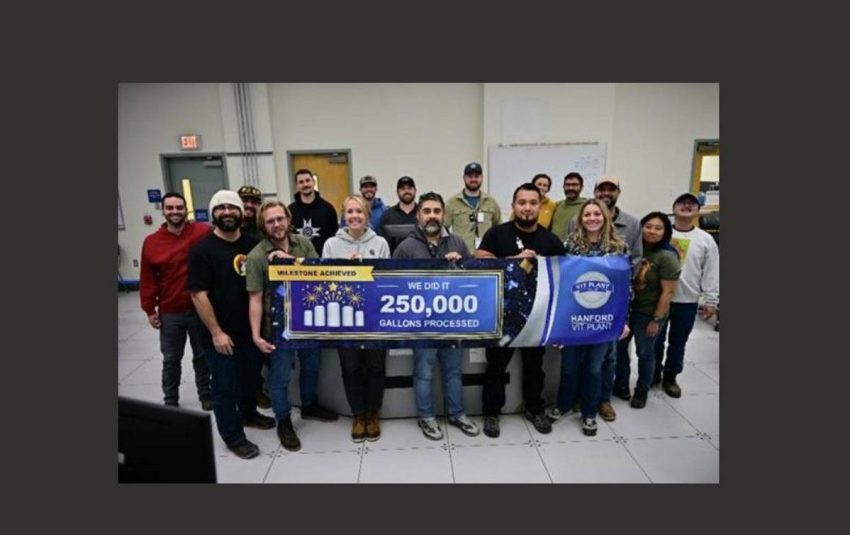
Hanford Officials released information on Monday, October 12th, about a milestone reached by the Waste Treatment Plant, commonly known as the VIT plant.
Officials Said Major Milestone Reached
Just over 250,000 gallons of liquid waste has now been safely ‘glassified,’ made stable for transport and eventual burial storage.
Officials said it was an important goal, and after it began progress began to accelerate. In September alone, 39,000 gallons were processed.
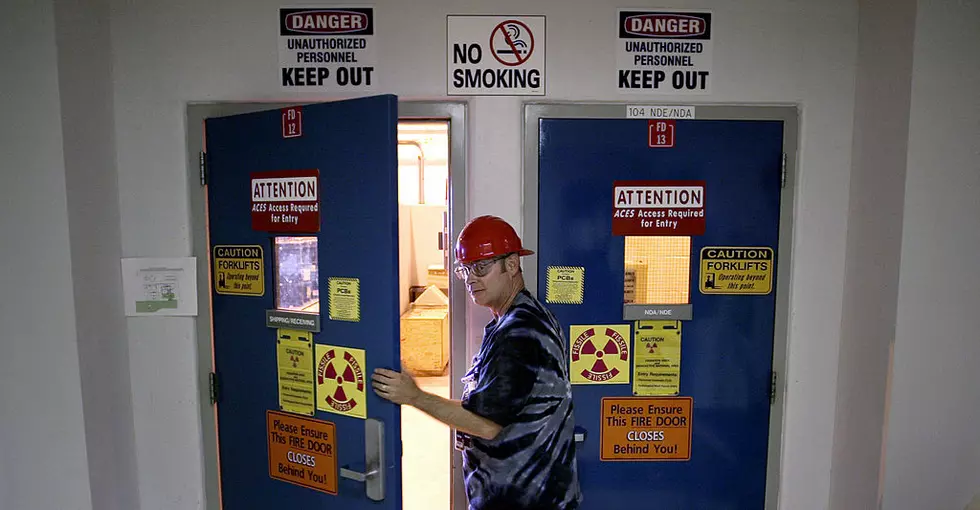
According to Hanford and WTP Officials:
“The low-activity waste being treated is part of the 56 million gallons of radioactive and chemical waste generated by plutonium production during World War II and the Cold War and stored in aging underground tanks located a few miles from the Columbia River.”
Treatment has Begun With the Lower Level Waste
The lower level waste is the jumping off point for the VIT plant and cleanup. By safely disposing of the lower level liquid waste, they will free up massive amounts of storage, and can then continue to deal with the solid or thicker waste found in most of the tanks. The Bechtel-led team continues to accelrate the process.
How Does Vitrication Work?
Here’s exactly what they are doing at Hanford (from the WTP):
“WTP uses a process called vitrification to transform the waste into a stable glass form. The waste is combined with glass-forming materials in the Low-Activity Waste Facility’s two 300-ton melters and heated to 2,100 degrees Fahrenheit. The glass is then sealed in stainless steel containers, each of which is 4 feet wide and 7.5 feet tall and weighs approximately seven metric tons when filled. The containers are delivered to Hanford’s Integrated Disposal Facility for long-term disposal.”
Now, you know!
KEEP READING: Scroll to see what the big headlines were the year you were born
Gallery Credit: Andrew Lisa