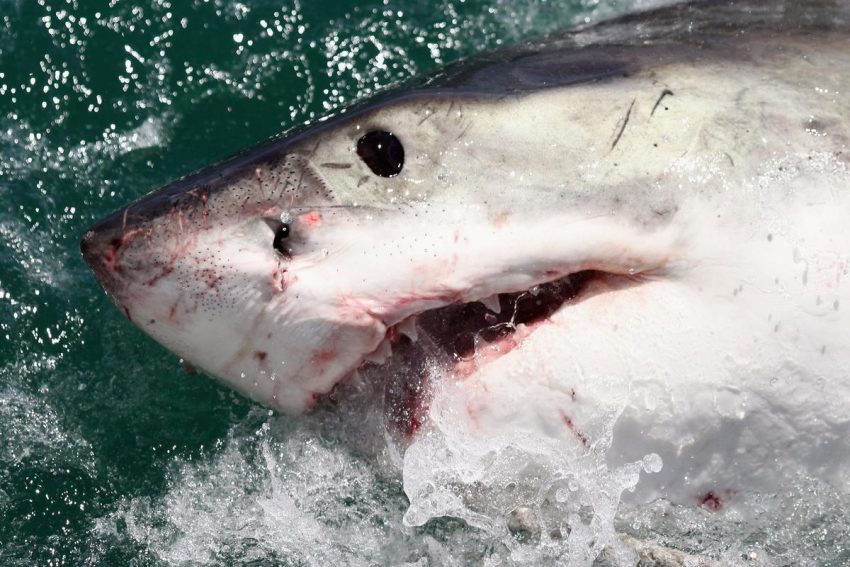
A great white shark (Carcharodon carcharias) that’s been trolling the depths of the Pacific Ocean off the West Coast of the United States in recent months has now been tracked off the Olympic Peninsula of Washington State.
The 16-foot shark, named Kara, had ostensibly been off the radar of marine biologists since April 2, when she last pinged sensors off the coast of Northern California.
Now, nearly a month later, Kara has been tracked in the waters near La Push, Washington, where great whites are especially uncommon.
Kara’s appearance as a digital blip on a radar screen comes in the wake of similar sightings of her near Oregon’s Tillamook Bay in early February, as well as other parts of the Pacific off both Oregon and Northern California since late last year, when she was tagged by marine biologist Keith Poe on behalf of the Marine Conservation Science Institute.

The non-profit group that’s dedicated to protecting, preserving, and raising awareness about ocean species outfitted Kara and several other great whites with custom satellite tags attached to their dorsal fins.
Since then, many of the sharks have been popping up and disappearing just as suddenly on scientists’ tracking equipment in presenting like a giant game of Battleship throughout the waters of the Pacific as far away as Hawai’i and other remote islands.
Although Kara has been pegged by satellite trackers on numerous occasions since being tagged, she has yet to produce any first-hand observations from boat- or beachgoers. And unlike her fictional kin from books and movies like Peter Benchley’s Jaws or the unforgettable epic Sharknado, starring the great Ian Ziering – biologists say Kara has been keeping to herself as all great whites do in their constant search for food sources such as sea lions and seals, NOT people!
Although experts say it’s not entirely unheard of for Pacific great whites to stray as far north as the waters off Washington State or even British Columbia from time to time, most tend to prefer and remain in those closer to California and Mexico where food is generally more prevalent.
Kara’s signal was picked up by administrators and users of the Institute’s Expedition White Shark app late Tuesday, and there’s just no telling how long she might linger off the Washington Coast before swimming back to the south or possibly heading further north.
9 Tips In Prepping For Oregon’s Nude Collins Beach
Gallery Credit: tsm/Timmy!