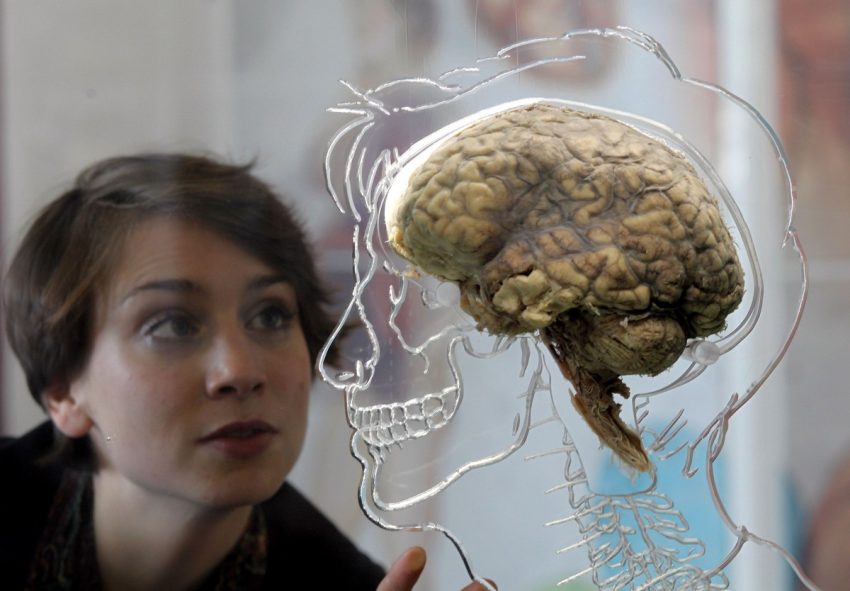
OK, silly question, right? Air pollution is not good for you. It’s not good for your body. But now researchers are saying that some types of air pollution could be specifically targeting your brain.

According to seattletimes.com,
‘Researchers from the Rush Alzheimer’s Disease Center and other institutions examined, in extraordinary detail, brain tissue from 11 people who died at ages 80 to 91. They discovered that some particles had penetrated deep into the brain, reaching the amygdala, a region that helps shape emotion and memory.
The finding is part of a broad shift in how scientists are thinking about the link between air pollution and conditions that impact the brain such as dementia, Parkinson’s and autism.’
Scientists have always believed that pollution will impact your brain indirectly through your body, but now they’re saying there may be a more direct correlation.
It’s all about microplastics.
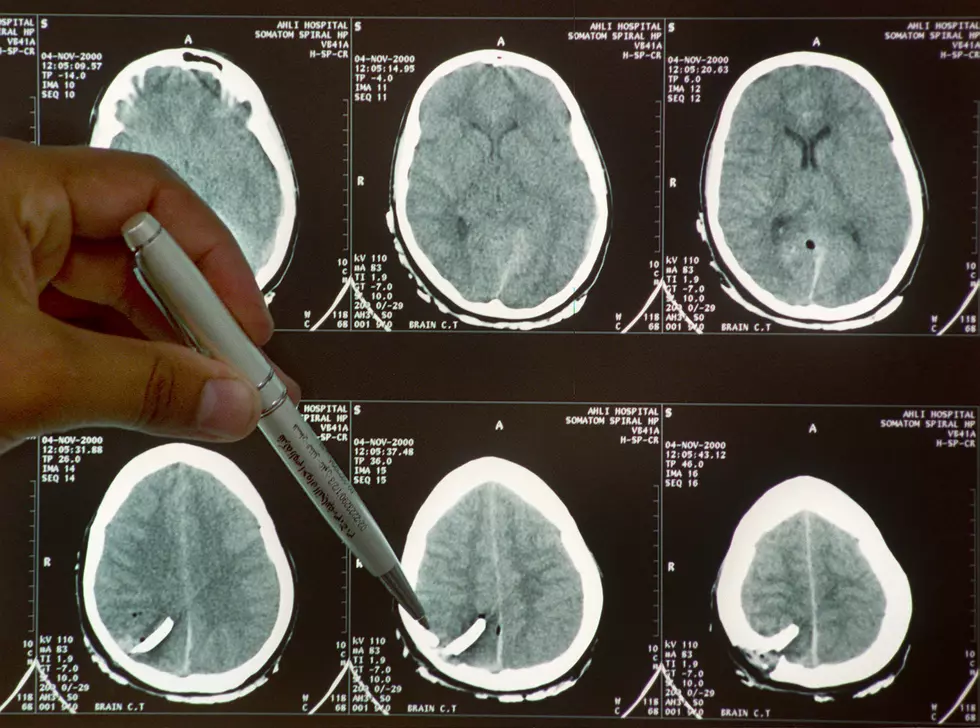
These detailed studies of the human brain show that microplastics are lodging themselves inside the brain. Enough microplastics to equal the weight of, say, a plastic spoon. I mean, think about this. Hold a plastic spoon in your hand, look at it and then think about that much plastic being in your brain.
It freaks me out.
Scientists still have not nailed down exactly how those microplastics get in your brain. But they’ve discovered microplastics in brains all the way down into the amygdala, which is the part of your brain that helps develop and shape emotions and memory.
One scientist, Caleb Finch, Professor emeritus at the University of Southern California is quoted as saying. “There’s a lot we don’t understand yet, but we do know that the risk of dementia increases in proportion to the amount of air pollution,”

PM2.5 Particles.
Researchers in Great Britain suggest that individuals who live in high air pollution areas are at a higher percentage risk of Alzheimer’s, and they attribute this to what’s called a PM2.5 particle. Basically, these are particles that can be found in air pollution that are 30 times smaller than the width of a human hair. So small that they can go right into the blood stream through your lungs and these particles could also be found in the hippocampus making structural changes to your brain. The hippocampus is essential to learning and memory.
This research on how microplastics could potentially affect your brain is still in its infancy. But it’s revealing some disturbing information.
Sage Hills Trails (Wenatchee Foothills)
Wenatchee Valley views, wildflowers, raptors and other birds. Trails are suitable for hikers, runners and mountain bikers.
Gallery Credit: Mark Rattner with KPQ Newsradio 560
8 Bugs That We Don’t Want to See in Wenatchee
Gallery Credit: Reesha Cosby
Horse Lake Reserve (Wenatchee Foothills)
The Horse Lake-Sage Hills Trail crosses the 980-acre Home Water Wildlife Preserve in the heart of the Sage Hills
Gallery Credit: Mark Rattner with KPQ Newsradio 560