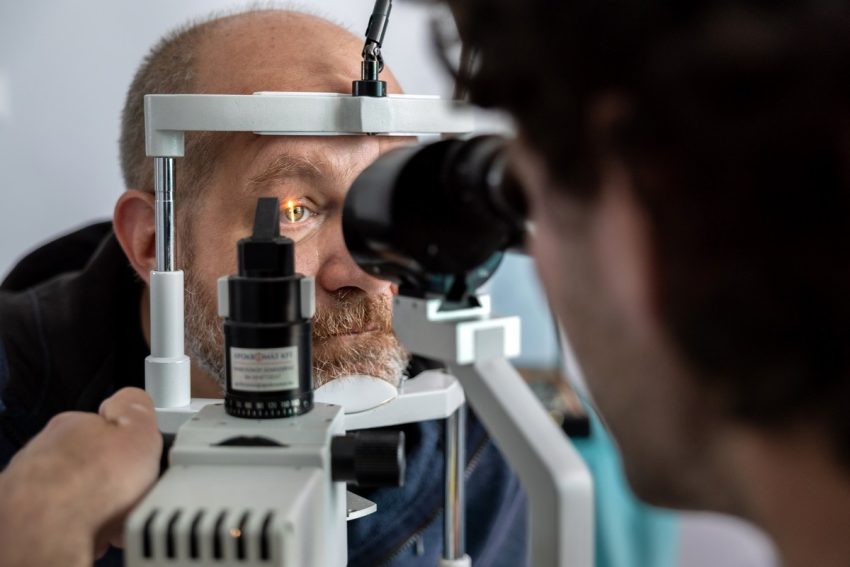
No matter what they tell you on TV, getting older kind of sucks. Everything slows down from the amount of time it takes you to get in and out of a car to your metabolism. It’s difficult and very expensive to grow old gracefully. Unfortunately, a growing percentage of Americans find life gets much more difficult as they age.
I’m the youngest in my family. My brother is now in assisted living. My oldest sister is doing all right, but she’s slowing down. My next oldest sister, for her age, is a paragon of health. Going to the gym at least three or four times a week, watching what she eats, and trying to get at least 8 hours of sleep. (Sleep may be her biggest issue.)

As for myself, I’m overweight and have other health concerns based on my size. (I won’t get into the details.) I wouldn’t say that every part of my body is sore, but I will admit I’m very glad when I get home and get a chance to just sit and relax.
Vision can be a critical issue for older people.
My sister (Jenny) has had some interesting vision issues including what they call “floating spots”. She’s consulted a doctor, and they’ve helped her out.
But medical experts say that there are seven key things to look for as vision warning signs.
According to seattletimes.com,
‘Older adults might consider more regular exams, said Seenu Hariprasad, a surgical retina specialist and chair of the Department of Ophthalmology and Visual Science at UChicago Medicine. “I think it’s wise that patients over the age of 55 have an eye exam every one to two years, and those over 65 every year, even in the absence of visual symptoms,” ‘
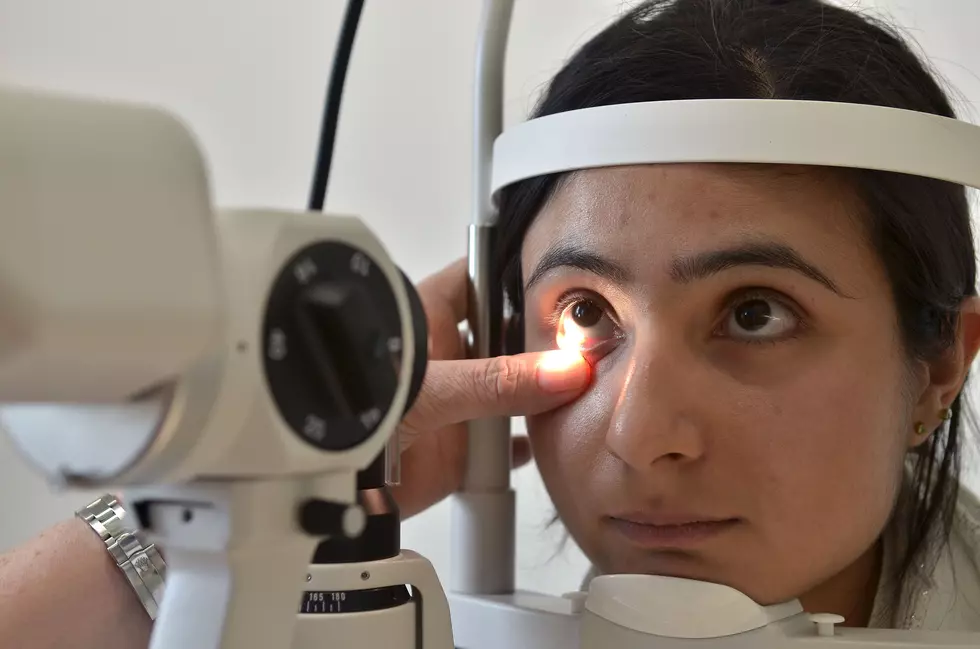
As you get older, there are 7 symptoms that you should pay attention to.
Difficulty reading up close.
This is one of the first things that we notice as we grow older. It’s difficult to focus on small print up close. For most of us, it’s a condition called presbyopia. It starts to kick in at around age 40. When you start to notice that you’re having problems reading up close, just book an eye exam. Maybe you need prescription glasses.
Your eyes feel drier.
Staring at a screen all day can leave your eyes dry and itchy, but as we get older, we produce fewer tears and that also results in your eyes feeling dry and itchy. Over the counter artificial tears can help relieve the problem but if it persists you definitely want to consult an ophthalmologist.

Difficulty seeing in low light.
You walk into a dark room or a theater, and you actually have to stop and wait for your eyes to adjust for a little while before you can see well enough to move. As we age, we find it takes longer to adjust to different light levels. When you start to notice this, it’s time to book a visit with your optometrist or ophthalmologist. Finding it difficult to adjust to lower light levels is an indicator of possible age-related macular degeneration (AMD). Some forms are treatable, but it’s important to catch it early.
Eyesight that is not as “sharp” as it used to be.
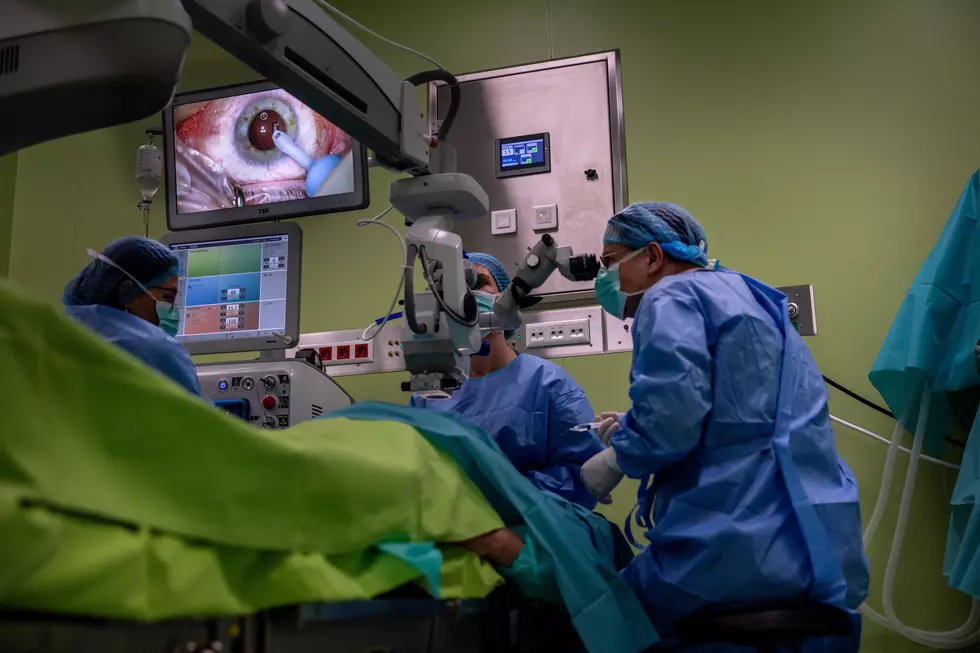
Eyesight that is not as sharp or crisp as it used to be is a common complaint of people as they age, especially when they hit 60. This can be a symptom of cataracts which form slowly and create blurred, distorted or double vision. It can be a little scary having your vision distorted this way, but the good news is, they can treat this. Cataract surgery is an outpatient procedure that doesn’t take very long and is very common.
Lines that you know are straight. Look wavy or curvy.
If you start to experience vision distortion, where things that you know should be straight look wavy or curvy you do need to be concerned. This is a much more serious type of AMD. One of the common causes of this condition is for a blood vessel in the back of your eye to rupture behind your photoreceptors in your eyes. If you look at a telephone pole and it looks wavy, this is a possible issue. This is a condition you absolutely need to have looked at as soon as possible. Especially if it’s only occurring in one eye.
You start to see floaters, flashes or dark spots.
There is a substance in the back of your eye called vitreous. At birth it’s a gel-like substance, but as we age. It becomes more of a liquid. As this process happens, it separates into solids and liquids, and that’s where we wind up with floaters, dark spots that float and move around in your vision. They can look like cobwebs, lines, Dots, little specks, or circles. If you experience this, you probably need to see an eye specialist as soon as you can. Sometimes these are indicative of retinal detachment. This is something that needs immediate care, the longer you go without treatment. The more possible this becomes a permanent problem.
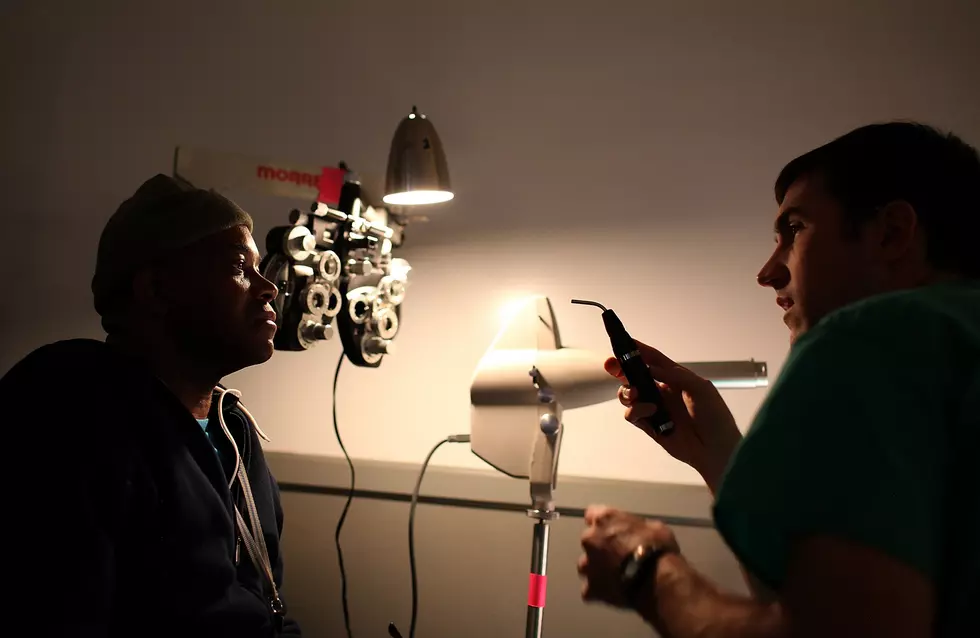
Your peripheral vision is not as good as it used to be.
Typically, macular degeneration starts in the center of your vision, but glaucoma starts at the edges of your vision. Glaucoma damages your optic nerves and starts at the edges of your vision, creating blind spots. Because this disease moves slowly, many people don’t even realize it’s happening. Without treatment, glaucoma can cause permanent vision damage or blindness.
Take care of yourself, Get an eye exam.
It’s easy to ignore some of these symptoms because I mean, come on; we’re getting older. These things happen. But they should not be ignored. When I realized that my eyesight was deteriorating. It was about the same time that I was informed that I had type 2 diabetes. From that point on I started taking a professional eye exam once a year. I do wear glasses at work or when I’m reading but I don’t wear glasses when I’m watching TV.
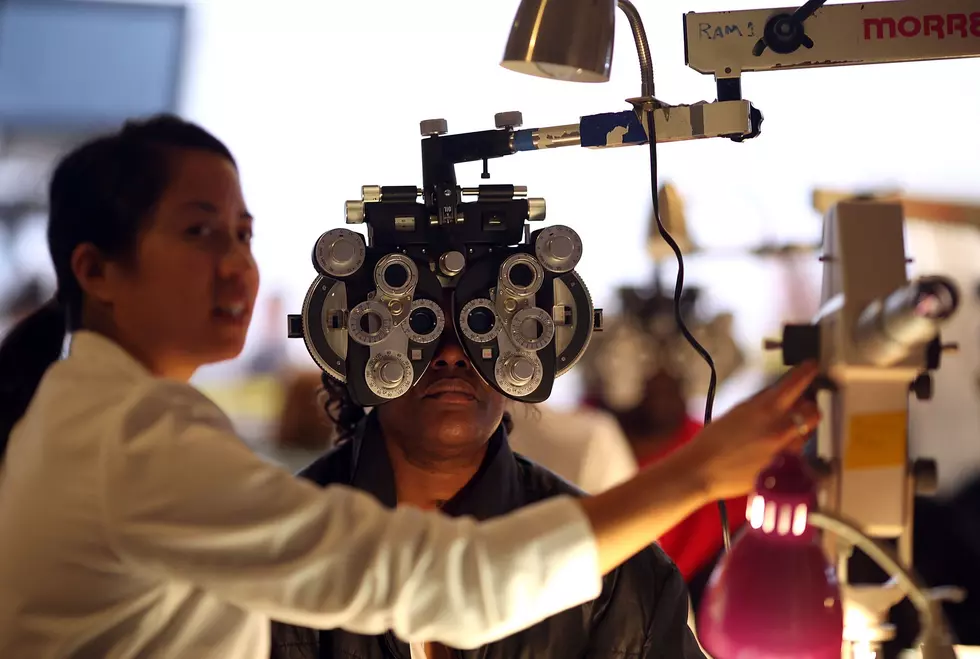
Ultimately, as you get older, you need to pay attention to what your body is telling you. And then, pass that information along to a healthcare professional.
Take care of yourself as best you can.
It’s the only body you have.
Fair Food: Treats and Eats of the 2026 Central Washington State Fair
Gallery Credit: Reesha Cosby
Best Dallas Cowboys Photos from 2026 Home Opener VS Washington
The Dallas Cowboys got their first win of the year versus their long time rival the Washington Commanders. Check out some of the best photos from the 37-20 win.
Gallery Credit: Stryker
7 of the Best Corn Mazes To Explore in Washington State
Have a ghoulish good time at these seven corn mazes worth exploring in Washington State
Gallery Credit: Rik Mikals