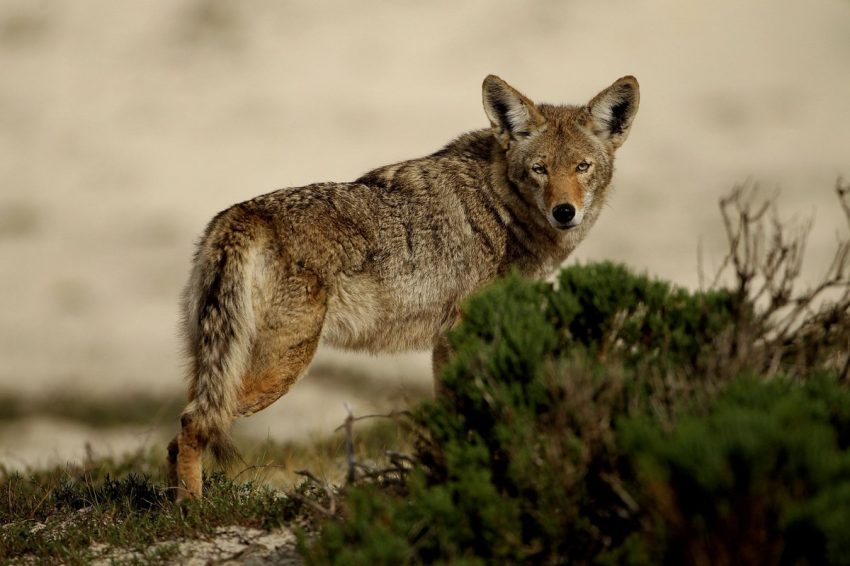
In Eastern Washington, we have been living with coyotes since settlement of the area began. But it turns out that coyotes are prevalent in Western Washington as well, even in urban areas.
Let’s talk about Seattle.
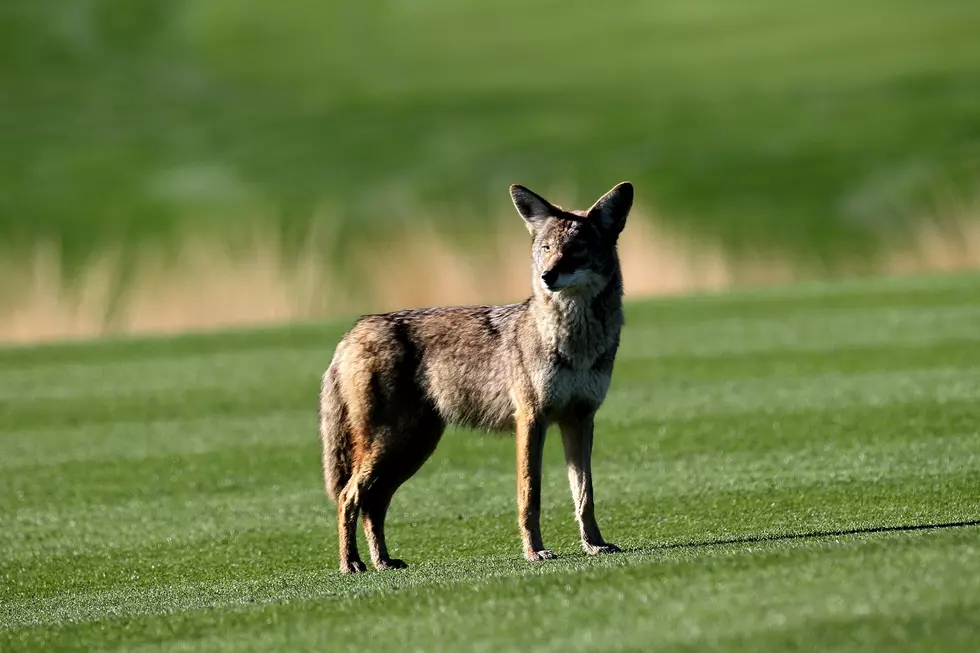
Coyotes are often seen in park areas, green belts, and even neighborhoods in Seattle. It turns out there are more “urban coyotes” in Seattle than we originally thought.
According to axios.com,
‘researchers now have hard numbers showing just how well they’re doing here.
Coyote density in Seattle is nine times higher than in Washington’s wild lands, according to new University of Washington research.
Urban coyotes also had diets more than twice as diverse as their wild counterparts.’
Urban coyotes in the Seattle area have a better diet and fewer predators then those in the wild. You don’t find any wolves or mountain lions in the Seattle area like you would in the high wild areas of Washington State, and the urban coyotes are eating pretty good, primarily on rabbits and berries.
How many coyotes did you say?
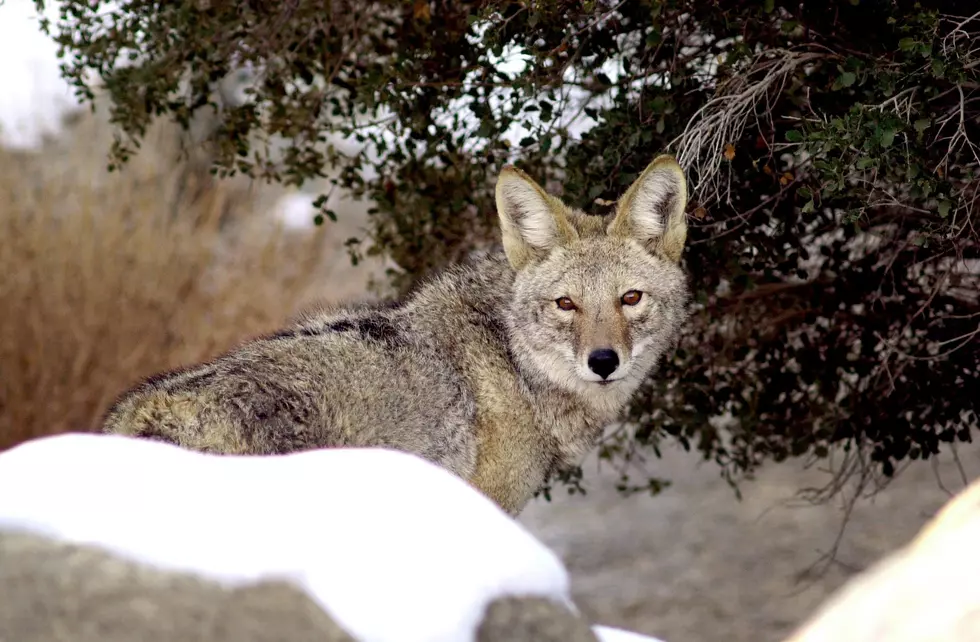
Yes, an estimated 9 times the population density of the wildlands of Washington State. When you have an abundant food supply, the predators will come. In denser parts of the city, coyote sightings are much fewer.
Things to keep in mind.
No matter where you live in Washington state, don’t feed wild animals.
Feed your pets indoors, not outdoors.
Secure your garbage containers.
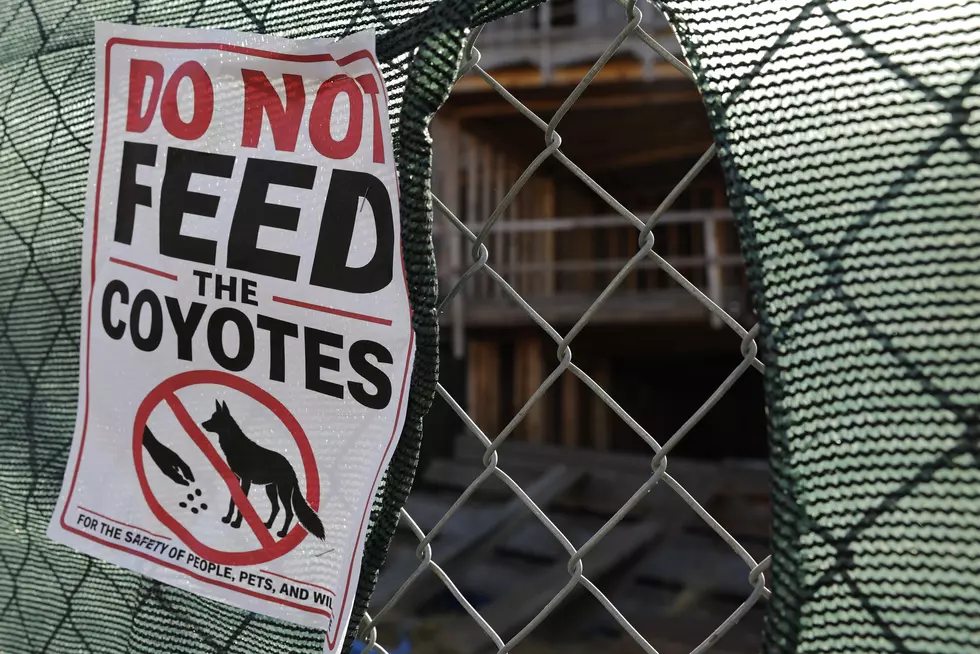
Keep an eye on your small dogs and cats, and small farm animals. Keep them secure.
It looks like coyotes are here to stay in the big cities.
Try not to make them, too welcome.
10 Interesting Facts About Coyotes
Washington Residents Are Abandoning Seattle for These 15 Appealing Cities
We used the United Census Bureau’s latest “Metro Area-to-Metro Area Migration” data set 2016-2020 to rank this list and cross referenced it with our data sources.
Gallery Credit: Michelle Heart
13 Hidden Gem Spots Seattle Locals Use to Make You Jealous You Don’t Live There
Gallery Credit: Reesha Cosby