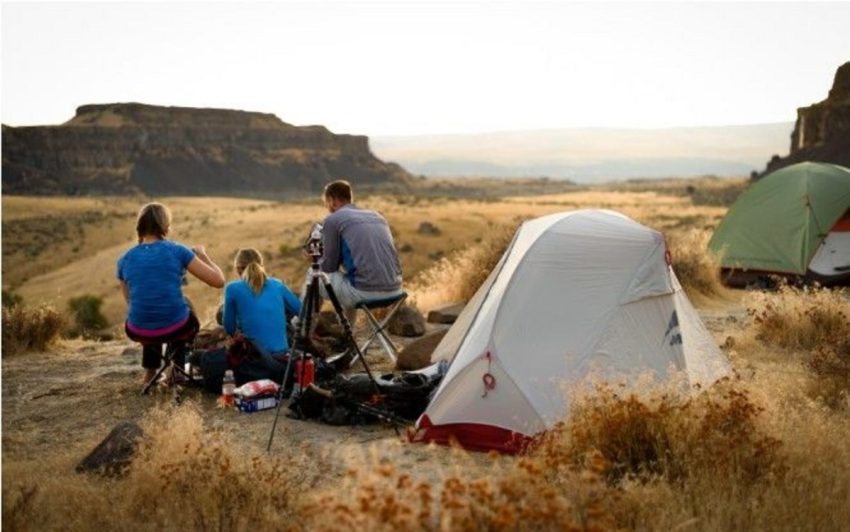
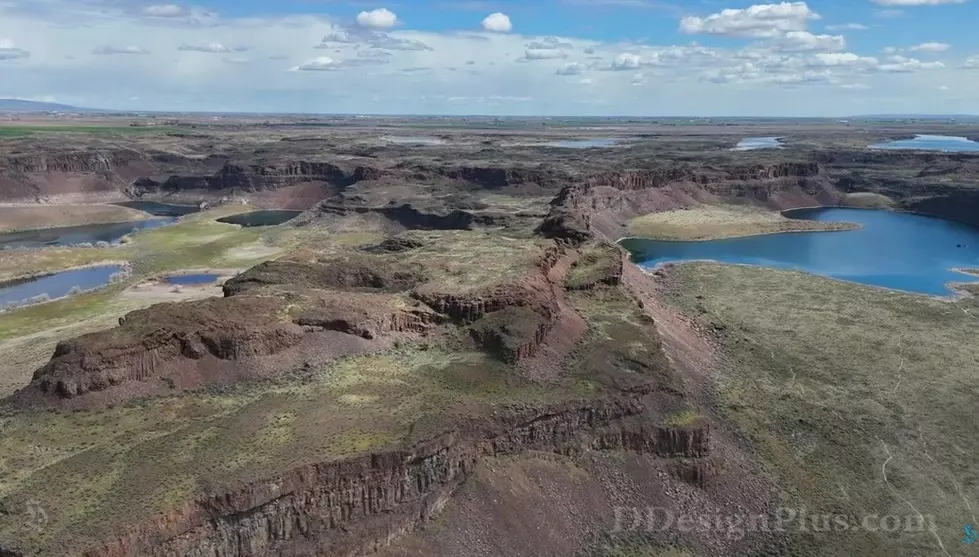
It’s called the Ancient Lakes area, also known as the Babcock Bench Locally. It’s found in the Columbia Basin and it’s very popular for hiking and camping. The problem is the Department of Fish and Wildlife is thinking about closing it for camping.
According to seattletimes.com,
‘The state agency is considering banning camping in the popular backpacking, hiking, biking and camping area in Central Washington. The area experiences some of the highest recreational use in the Columbia Basin Wildlife Area and along with it, some adverse environmental impacts from irresponsible visitors, the agency said.’
The problem.
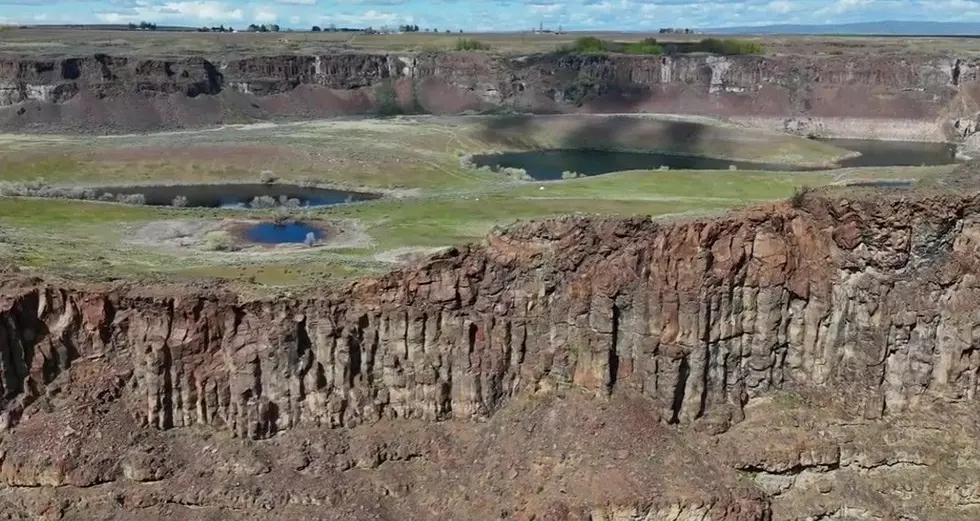
The Ancient Lakes is a very scenic camping spot in the Columbia Basin and very popular because it’s an easy hike. But the problem is it’s about a mile from the trailhead where restrooms can be found. WDFW (Washington Department of Fish and Wildlife) says this makes sanitation an issue because some campers don’t want to walk a mile to go to the bathroom and then walk back.
Another issue is campfires.
Considering the kind of issues, we’ve had with wild wildfires this summer I can’t imagine anybody with an ounce of sense thinking they can build a campfire safely in this “high desert” area. However, some campers do build campfires even when there’s a burn ban and WDFW fire restrictions in place, with some campers even burning sagebrush.
The proposed ban is supposed to go into effect on January 1st, 2027, The WDFW is asking for public comment on this action. The public comment period was supposed to end today (8/25/26). But they have extended the comment period to October 30th.
How to make your voice heard.
If you’re interested in making a comment on this proposal, you can do so by going to the WDFW. Website. Or you can send an e-mail to BabcockBenchCampingClosure@PublicInput.com.
The Washington Trails Association (WTA) has asked the WDFW for an extension to the comment period and have made their own suggestions on how to mitigate this problem.
The WTA solution.
According to seattletimes.com’
‘The WTA suggested banning campfires year round, putting up primitive backcountry toilets, restricting camping to designated campsites, and installing trailhead ambassadors and educators at high use times like the spring to teach people about proper camping etiquette.’
The 7 Principles of Leave No Trace When Camping in the Wilderness
Developed by the Leave No Trace Center for Outdoor Ethics and several outdoor agencies, these are the 7 principles that recreationists can follow to ensure continued use of our public lands.
Gallery Credit: JD Knight