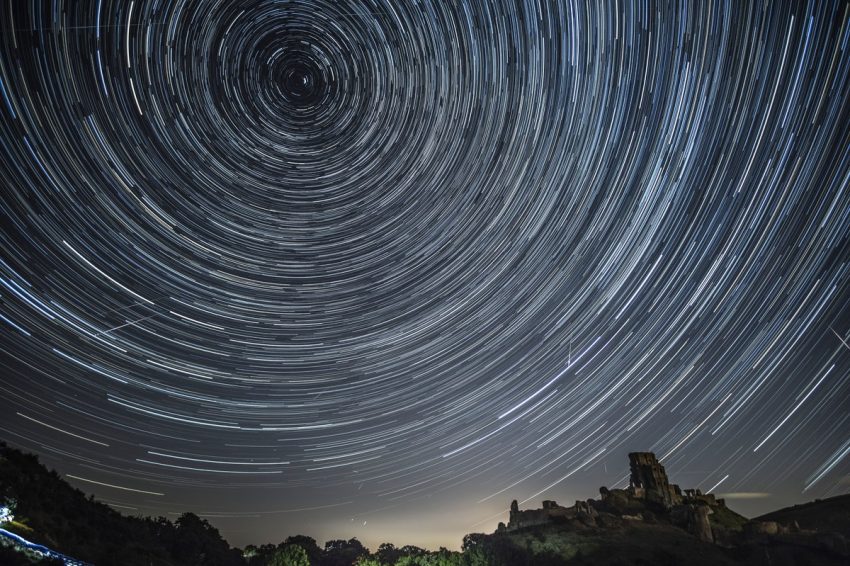
Weather permitting, there will be a fantastic light show in the skies over Eastern Washington Wednesday night through early Thursday morning.
It’s called the Perseid Meteor shower and it’s an annual event occurring all week. But with the peak time in Eastern Washington on Wednesday night till dawn.
According to seattletimes.com,
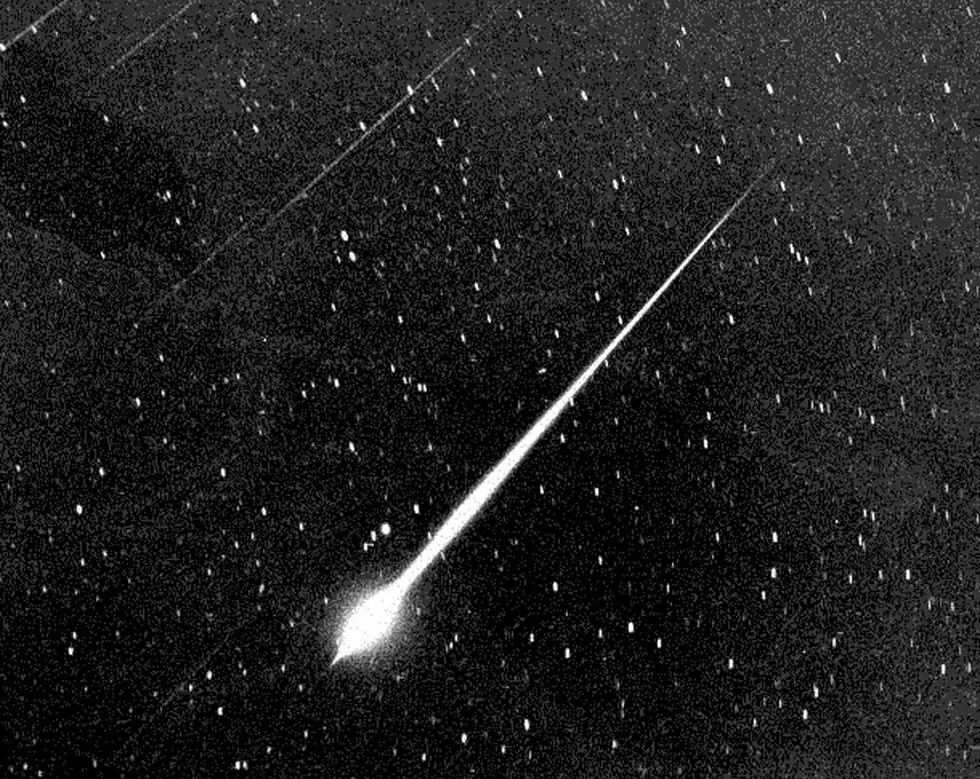
‘The meteor shower’s peak Wednesday night into Thursday morning coincides with a total solar eclipse across Spain, Iceland and Greenland and a six-planet parade — though the best time to view the fireballs will come after totality.
As many as 50 to 100 meteors per hour may be visible under ideal conditions, according to NASA. The American Meteor Society estimates 30 to 50 meteors per hour could be seen from rural regions.’
I can remember being in the backyard laying down on a sleeping bag looking up at the sky, watching for meteors on any given night during the summertime and would see one or two. But the Perseid Meteor shower on a clear night can be stunning.
The best way to watch it?
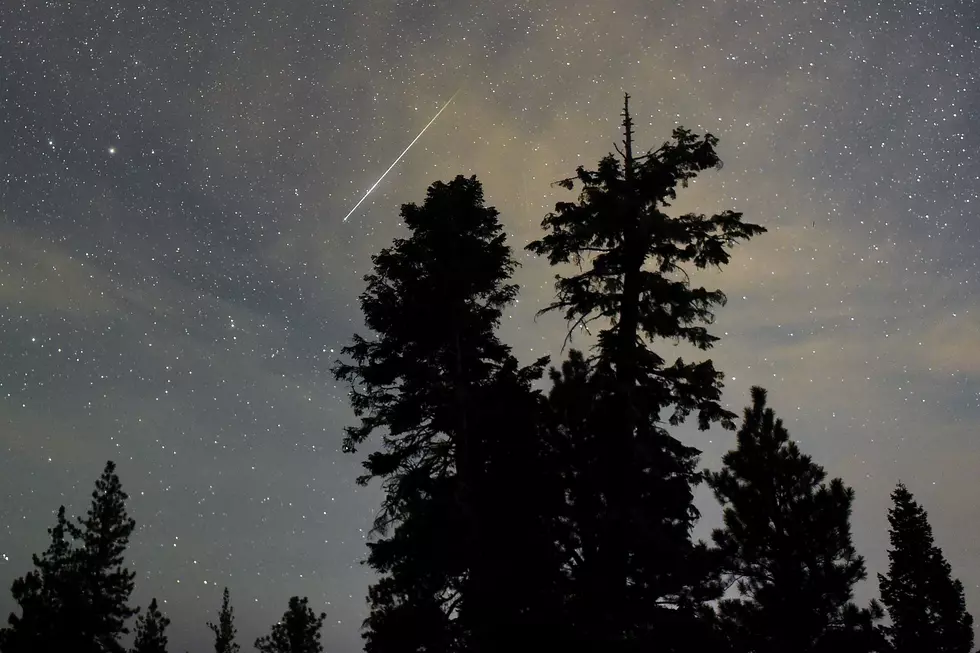
The first thing you need to know is that you need to get away from light pollution. You will find it very difficult to watch this with any success in the city. If you live in a rural area, just be sure to turn off all your outdoor lights, lie down on a blanket or sleeping bag, and give your eyes a chance to adjust to the darkness. (about 30 minutes) and then enjoy it.
For us here in Eastern Washington, it might be a little difficult to watch because the peak time is going to be from 7:00 PM to 9:00 PM Pacific Time, but it will continue all night. On average, during peak time you could see anywhere from 50 to 100 meters an hour. Look to the east / northeast horizon.
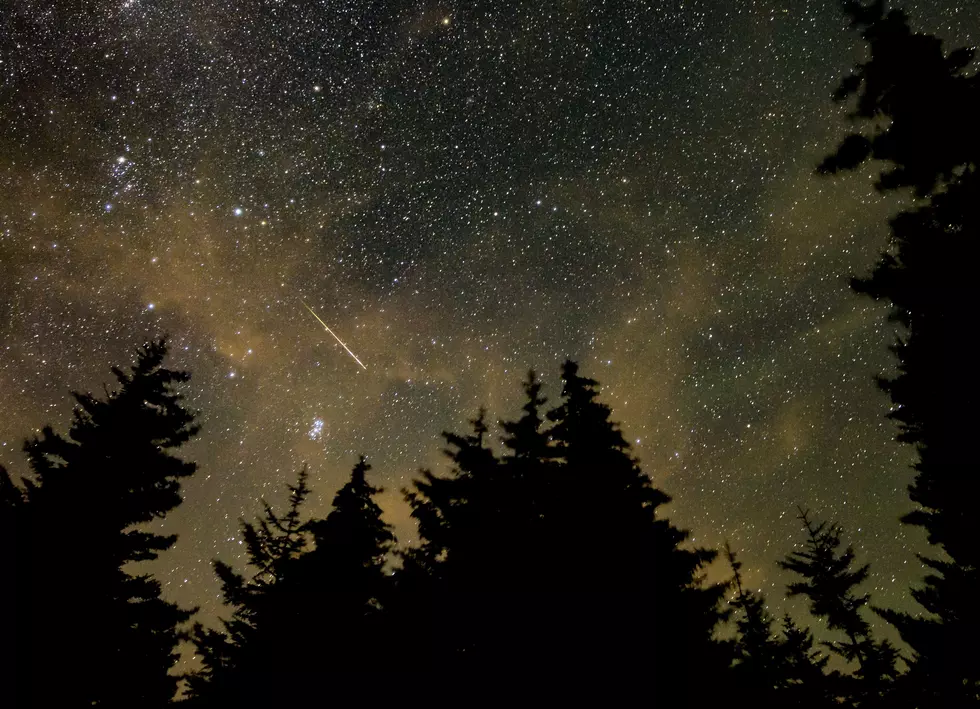
Of course, clear weather is essential, so if wildfire smoke comes in, it could be difficult to see.
What is the meteor shower made of?
Basically, a meteor is an asteroid or a piece of space junk entering the Earth’s atmosphere at high speed. The Perseid Meteor Shower is debris from a comet, (109P/Swift-Tuttle). The debris drops in every year about this time, but the comet itself we won’t see until 2125.
LOOKING UP: 40 Breathtaking Images Of The Perseid Meteor Shower Around The World
Gallery Credit: Rob Carroll