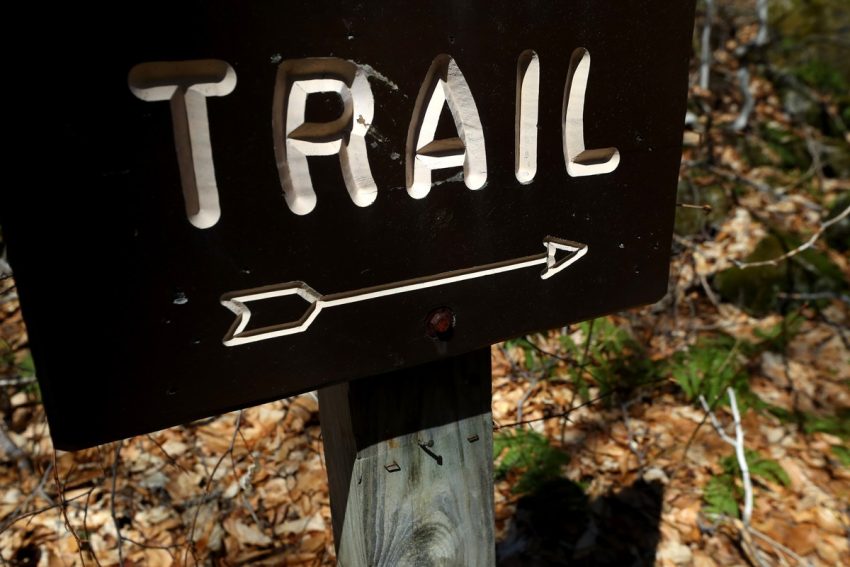
It’s been a very long time since I’ve done any kind of extended hiking trip. The first one I ever did go’s all the way back to my high school days. It turns out my daughter Beth likes to do extended hiking trips as well.

Hiking and camping in the wilderness requires a lot of planning. Planning is essential if you want to be prepared for the kinds of weather and conditions you find in the wilderness. So, I thought we would take a look at some very common hiking mistakes which, if you can avoid, will help keep you from becoming the next search and rescue mission.
Keep this in mind.
According to axios.com,
‘Many rescues involve hikers who head into the mountains to prepare for bigger climbs later in the year who are “not quite ready” for the challenge, McCall said.
Backcountry rescue calls have increased as more people seek remote outdoor experiences they see on social media, Christopher Van Tilburg of Crag Rats Mountain Rescue in Oregon told Axios.”

The first rule is that knowledge is not only power, knowledge is also safety.
Download a map of your trek to your phone. Make a paper copy as a backup.
Go online to check for recent reviews on your Route. (AllTrails is a good start)
Get the most up-to-date conditions on the trail.
Be sure to tell someone where you’re going and when you’ll be back.

Make sure you have packed 10 essentials for your trip Including extra food, water and emergency gear. (An emergency rescue takes time.)
Know the weather for where you’re hiking and keep track of it while you’re on the trail.
Finally, know your limits. For most of us camping in the wilderness is not about testing our personal boundaries and resolve. Staying safe means knowing your limits and skills on the trail.

Enjoy your trips in the outdoors. Stay safe and come back on time.
15 Camping Essentials (Tent or Camper) – Spring & Summer
If you’re planning to camp in Wyoming, here are 15 essential items to include in your camper or car.
Gallery Credit: Scott Haugen