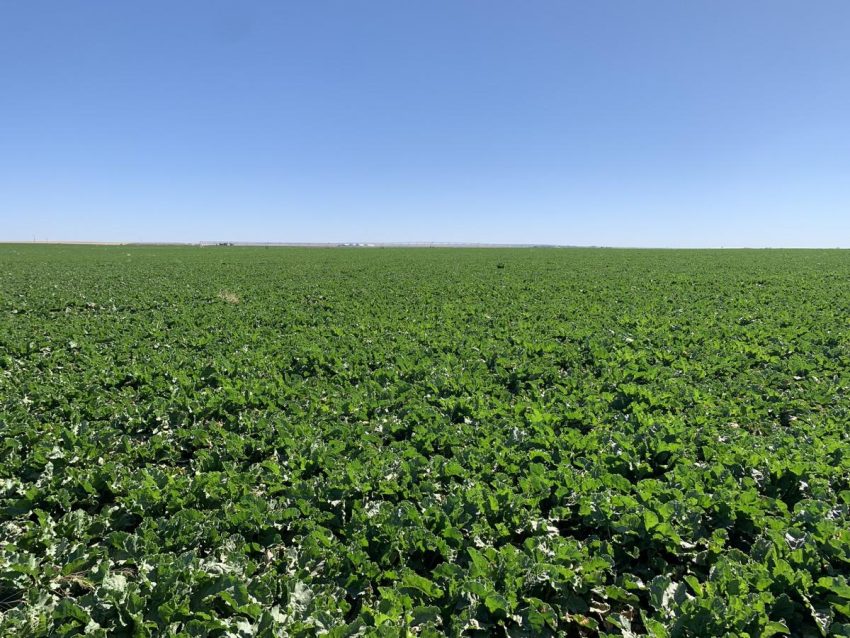
The mild fall and open winter have left many area growers in a unique position this season.
Pressures Unusual For This Time Of Year
Washington State University’s Dr. Tim Waters said he thinks growers on the Columbia Basin should expect additional insect pressure this year. He noted while they have received reports of diseases that did well over the winter, it’s the insects he’ll be keeping a close eye on.
“So these overwintering host crops, or host plants, typically harbor some insects,” Waters said. “I think they harbored more insects in those ‘alternative host plants’ for lack of a better term, have done pretty well in the spring. So, I feel like when those plants dry down here in the next month or so, we’re going to see big movements of insects into some of our field crops.”
Photo: Glenn Vaagen
Get Out Into The Field
For example, potato psyllid populations are much higher than in a “normal season”. Waters stressed vigilant scouting will be key this summer.
“So we had that mild winter, we had this early growth,” Waters said. “If you go out and look like the potato crops look really good right now, for example, it’s been really good conditions for growing potatoes. And I think sometimes we get lulled into a routine where we know we plant potatoes on a certain day. We come in and we do insecticide so many days after, then we do our herbicides and we kind of get this routine. And the routine generally works, but I think when you get years where the weather is different, you need to be scouting to confirm that those routine things that you do are appropriate, right?”
Waters said WSU has already made their first application for thrips and onion in the lower Columbia Basin, which he noted is 2-3 weeks earlier than normal.
If you have a story idea for the PNW Ag Network, call (509) 547-9791, or e-mail glenn.vaagen@townsquaremedia.com