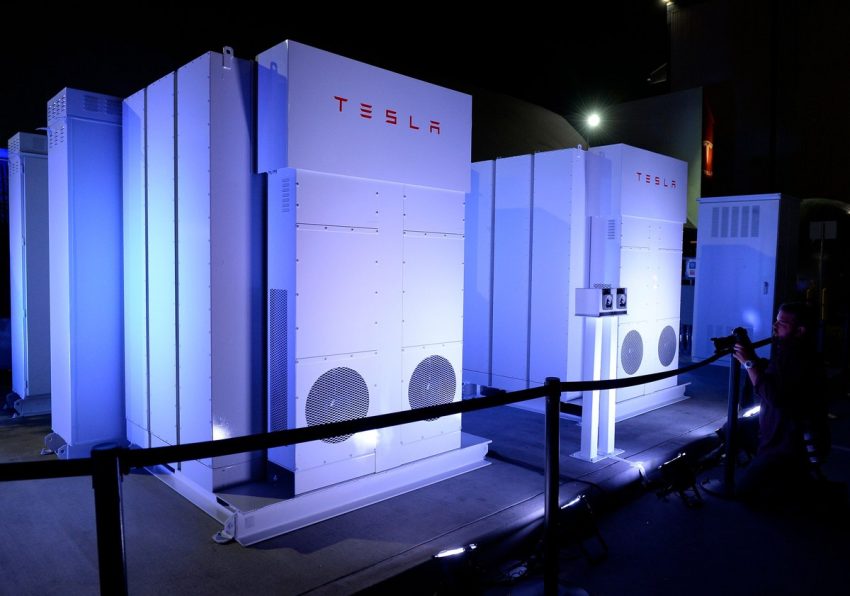
One of the biggest and most logical complaints about solar energy and wind energy is its lack of consistency. When the sun’s not shining, you’re not generating. That’s true if the wind isn’t blowing as well. But there is a solution to this problem, large, grid scale battery systems.
This is not a novel solution.
Other utilities across the country have been using grid scale battery systems for several years now with much success. Some of the largest grid scale battery systems are located in Texas and California. Utilities in other countries have been investing in grid scale batteries as well.
Some people say not in my backyard.
Some residents in the city of Snoqualmie are up in arms because of a proposed 45-acre grid scale batterie system which would be located near their homes. People were so upset that they actually marched in protest. Some county officials claim that they received death threats, and the county finally passed a 1-year moratorium on the construction of utility scale battery systems.
Three other utility scale battery systems have been proposed in Western Washington, and those projects have not progressed either. One proposed in Covington and two proposed in Renton.
So, what is the problem?
It seems like the main objection, but not the only one, is the potential for fire. One of the biggest complaints about lithium-ion batteries is the possibility of thermal overload. The battery cells get too hot and they ignite. It’s true that lithium-ion batteries are very sensitive to temperature, and of course they heat up when they’re charged and discharged.
Typically, lithium-ion batteries function best when their state of charge ranges between 20% and 80%. Charging a lithium-ion battery up to 100%, especially when high ambient temperatures occur can be risky without a sophisticated cooling system.
The solution is already here.
Lithium iron phosphate (or LFP) Batteries are the first part of the solution. LFP batteries are far less susceptible to thermal overload and can be charged to 100% with no degradation in battery performance.
Ford Motor Company is introducing a new division to their company called “Ford Energy”. A $3 billion battery plant that will be manufacturing LFP batteries for vehicles and also for grid level energy storage.
LFP batteries are easier to manufacture, less susceptible to thermal overload. They are cheaper to manufacture and are considered by many utilities to be the perfect battery selection for grid scale battery systems.
Most new grid scale battery systems that are being proposed and Manufactured now are using LFP batteries.
The better solution is not here, yet.
The next battery technology that most utilities are looking forward to in the future is sodium ion batteries. Still mostly in the research stage. Sodium ion batteries basically perform the same way that LFP batteries perform, but obviously without the lithium. When the technology matures, Sodium ion batteries will be far cheaper to manufacture and will demonstrate the reliability of LFP batteries. Chinese battery manufacturer CATL claims that they will have sodium ion batteries in mass production by the end of this year.
As for those people that don’t want a Grid scale battery system in their backyard? Just take into consideration that electricity is only going to become more expensive, harder to come by, and that battery system that you don’t want in your backyard would help to keep that electricity that you use cheaper and more readily available.
I think it’s interesting that the energy that these batteries would be storing is all going to be generated in Eastern Washington using wind and solar, but so far, it looks like it’s going to be stored in Western Washington.
Items Adding to Your Electricity Bill You Should Unplug or Turn Off
Here is a list of items that are hiking up your energy bill every month.
Gallery Credit: Billy Jenkins