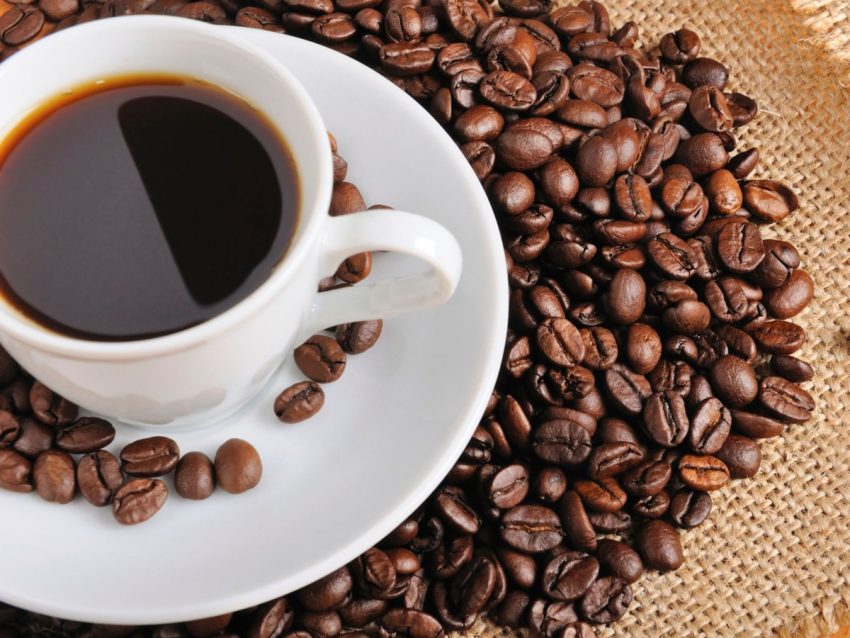
It’s safe to say that coffee is not my favorite personal beverage. But it is one of the most popular beverages across the United States. Because of the nature of what you have to go through to create a good cup of coffee, anything that would make it better would certainly be appreciated.
There’s been a fair amount written about how to make a good cup of coffee, you need freshly roasted Coffee beans, you need a good coffee bean grinder to grind your beans, you need good water either filtered or bottled and the general consensus seems to be everything must be clean.
Science comes to the rescue.
The chemical nature of coffee is very complex. More than 1000 different molecules help to contribute to the taste of your cup of coffee. Yes, of course the beans, the way you roast them, grind them. and brew them makes a difference. But science wants to step up and develop ways to create a better tasting coffee.
According to seattletimes.com,
‘Scientists at the University of Oregon took a device called a potentiostat that generates a varying voltage, stuck its electrodes into a cup of coffee and measured the current flowing through coffee samples. The samples were made with the same beans, roasted to different levels and prepared with an identical brewing process.’
The technology actually comes from battery research; it gives the scientists a way to actually quantify the strength and flavor of a cup of coffee.
So, what did they discover?
Well, first off, the stronger the coffee, the more electrically conductive it is. Interestingly (at least to me) darker roast coffee at the same strength was less conductive. Part of the reason for that might be that with the darker roast coffee, there’s more caffeine molecule build up on the electrodes. (That reduces conductivity.)
Coffee purists and professional tasters might find this information inconclusive, but it does add more information to the system. One Flavor Chemist from Australia, Heather Smyth, was quoted as saying.
“It’s a faster method to measure a fingerprint of a coffee compositional profile. It would add more information to the suite of analytical measures we have to measure coffee flavour quality. None of these methods alone are useful to fully describe and quantify coffee flavour. Only sensory evaluation can do this with human participants,”
It’s an interesting experiment and it’s repeatable, so you do get some data from it. But when it’s all said and done, my buddy John down the hall still makes his coffee with a French press, or if he’s in a hurry, stops at his favorite drive through coffee shop on his way to work.
10 Health Benefits You Get from Drinking Black Coffee
While not everyone may be a fan of black coffee, there are several reasons why you should consider drinking it every day.
Gallery Credit: Jake Foster